
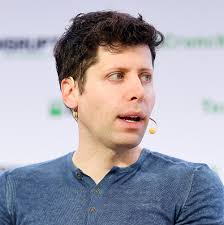
Sam Altman is making a $1.4 trillion bet, and he’s daring his investors to blink. The OpenAI CEO is at the center of a storm of his own creation, committing his company to an infrastructure spend that dwarfs its revenues and has Silicon Valley buzzing about a bubble. His response to the “chasm-like” gap between costs and income has been one of defiant confidence, bordering on aggression.
This was on full display in a podcast with investor Brad Gerstner. When pressed on the $1.4 trillion number, Altman didn’t just defend his position—he went on the offensive. After correcting Gerstner’s revenue figures, he snapped, “if you want to sell your shares, I’ll find you a buyer. I just, enough.” This wasn’t the language of a CEO managing investor relations; it was the language of a leader who believes he’s right and is tired of being questioned.
Altman is betting entirely on his vision of the future. He sees revenue not at its current $20 billion-a-year run rate, but at the “hundreds of billions” he projects for 2030. He sees the 800 million weekly users as just the start. He’s betting that future demand, combined with new hardware and massive scientific breakthroughs, will make the $1.4 trillion cost seem trivial in hindsight.
He has also been forced to clean up his own team’s messes, most notably when his CFO’s comments about government guarantees for chip spending sent markets spinning. Altman had to personally take to X to declare, “we do not have or want government guarantees,” firmly placing the risk of failure on the company and the market, not the taxpayer.
This is Altman’s stand. He is the central figure in this high-stakes drama, personally driving the narrative that spending less is the only real path to failure. He admits he “could be wrong,” but his every action and statement shows he is betting his company, his reputation, and the entire AI industry’s trajectory on the belief that he is not.