
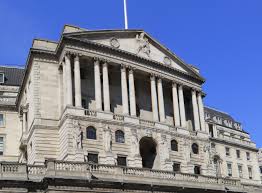
While the Bank of England is confident enough in high street banks to lower their regulations, it is turning a suspicious eye toward a different corner of the financial world: the private credit industry. As part of its financial stability report, the Bank announced confirmation of stress tests specifically designed for this largely unregulated sector.
Private credit, often referred to as “shadow banking,” involves non-bank institutions lending directly to companies. The International Monetary Fund (IMF) has warned that this sector creates a web of hidden risks. If the private credit market suffers a downturn, it could cause ripple effects that damage traditional banks and the wider economy. There are concerns that lending standards in this sector are weak and opaque.
Governor Andrew Bailey was explicit about the dangers, drawing parallels to the sub-prime mortgage disaster. He noted that recent failures in US industries linked to private credit had “worrying echoes” of the events that precipitated the 2008 global financial crisis. The fear is that while traditional banks are well-regulated, the next crash could come from this darker, less scrutinized corner of the market.
This focus on shadow banking comes at a time of broader technological risk. The Bank also flagged the deep connections between AI firms and credit markets. As tech companies borrow heavily to fund growth, they become interconnected with the financial system. A burst in the AI bubble could trigger the exact kind of asset price correction that private credit markets are ill-equipped to handle.
By launching these new stress tests, the Bank of England is attempting to illuminate these risks before they become critical. While it eases pressure on traditional lenders like Barclays and NatWest to encourage growth, it is simultaneously tightening its surveillance on the unregulated entities that have grown rapidly in the post-2008 era.